
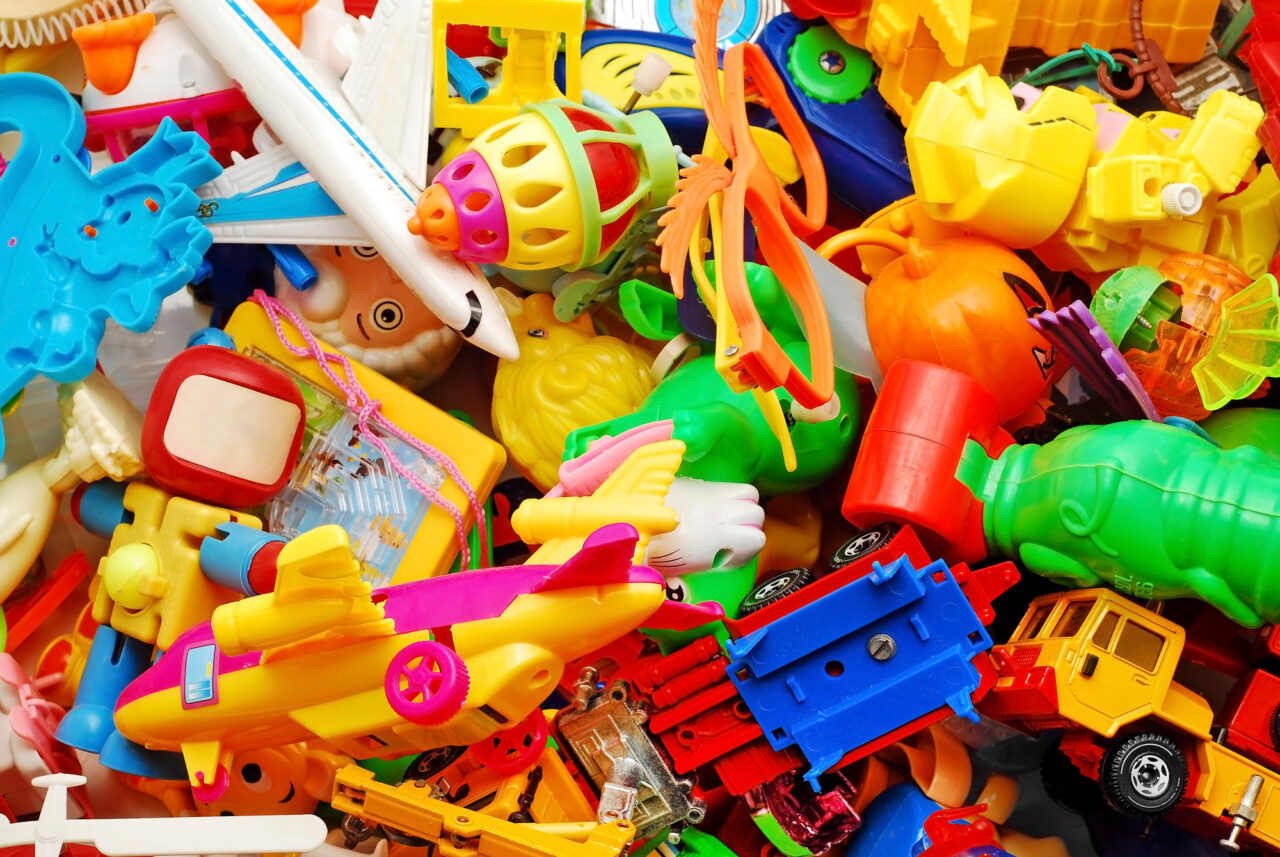
Fast food restaurants are not only known for serving quick and tasty meals but also for their iconic toy offerings. From collectible figurines to Happy Meal toys, these small treasures have sparked a craze that has captured the hearts of people across generations. In this blog post, we delve into the world of fast food toys, exploring their history, cultural impact, and the joy they continue to bring.
The birth of fast food toys
The concept of including toys with meals at fast food restaurants originated in the mid-20th century as a way to attract families and make dining out a memorable experience for children. The first notable example of this trend was from Burger Chef, which included a toy with every purchase and featured characters like a magician named Burgerini and a vampire named Count Fangburger. The chain partnered with Star Wars in 1978. McDonald’s followed suit shortly after with the introduction of the Happy Meal in 1979, featuring a toy alongside a kid-friendly meal.
Collectibles and limited editions
Fast food toys quickly evolved from simple playthings to collectible items that sparked excitement among children and adults alike. Some toys were part of larger sets or series, encouraging customers to return to the restaurant to complete their collection. McDonald’s, for instance, launched popular series like the “McDonaldland” characters, Beanie Babies, Hot Wheels and Disney-themed toys, creating a frenzy of collecting and trading among enthusiasts.
Fast food restaurants often collaborated with popular movies, TV shows and franchises to create exclusive toy lines. This synergy between fast food and entertainment introduced a new level of excitement and anticipation.
The evolution of fast food toys
In recent years, fast food toys have evolved to cater to changing consumer preferences and societal values. Many restaurants have shifted their focus toward educational and interactive toys that promote learning, creativity and physical activity. In an effort to address concerns about sustainability, some fast food chains have also begun to explore more eco-friendly toy options, reducing plastic waste and incorporating recycled materials. Many restaurants now offer toys that integrate with smartphone apps or feature QR codes, unlocking additional content or games. This blending of physical and digital play experiences caters to the tech-savvy generation.
From humble beginnings as simple giveaways, fast food toys have become cherished collectibles, cultural icons, and even nostalgic reminders of childhood. As the industry continues to evolve, we can expect fast food toys to adapt to new trends, technological advancements, and societal demands, ensuring that the magic of these miniature treasures lives on.

Sabrina
Sabrina is a blogger who lends her talents to a variety of food, retail and pop-culture websites. She enjoys writing about new trends and current happenings, which translates well to the ever-changing menus of major fast food companies. When she’s not typing away at home, you’ll find her in a local coffee shop. Her favorite fast food chain is Panda Express.
