
Chocolate: adored by millions, gifted on holidays, and devoured in moments of both celebration and stress. But before it melts in your mouth, it goes on a global journey — one that spans rainforests, ancient rituals, and precision craftsmanship.
Let’s unwrap the story of how chocolate gets from a humble bean in the tropics to that glossy bar in your hand. Spoiler: it’s a lot more complex (and magical) than you might think.
The Origins: Sacred and Bittersweet
Chocolate’s history stretches back more than 3,000 years to the ancient civilizations of Mesoamerica, where the Maya and Aztecs used cacao in ceremonial rituals. They prepared it as a bitter, spiced drink — no sugar, no milk, just pure cacao, often reserved for royalty and warriors.
Cacao beans were so valued, they were used as currency. So yes — at one point in history, chocolate was literally money. And honestly? That still feels right.
The Cacao Bean: Nature’s Hidden Treasure
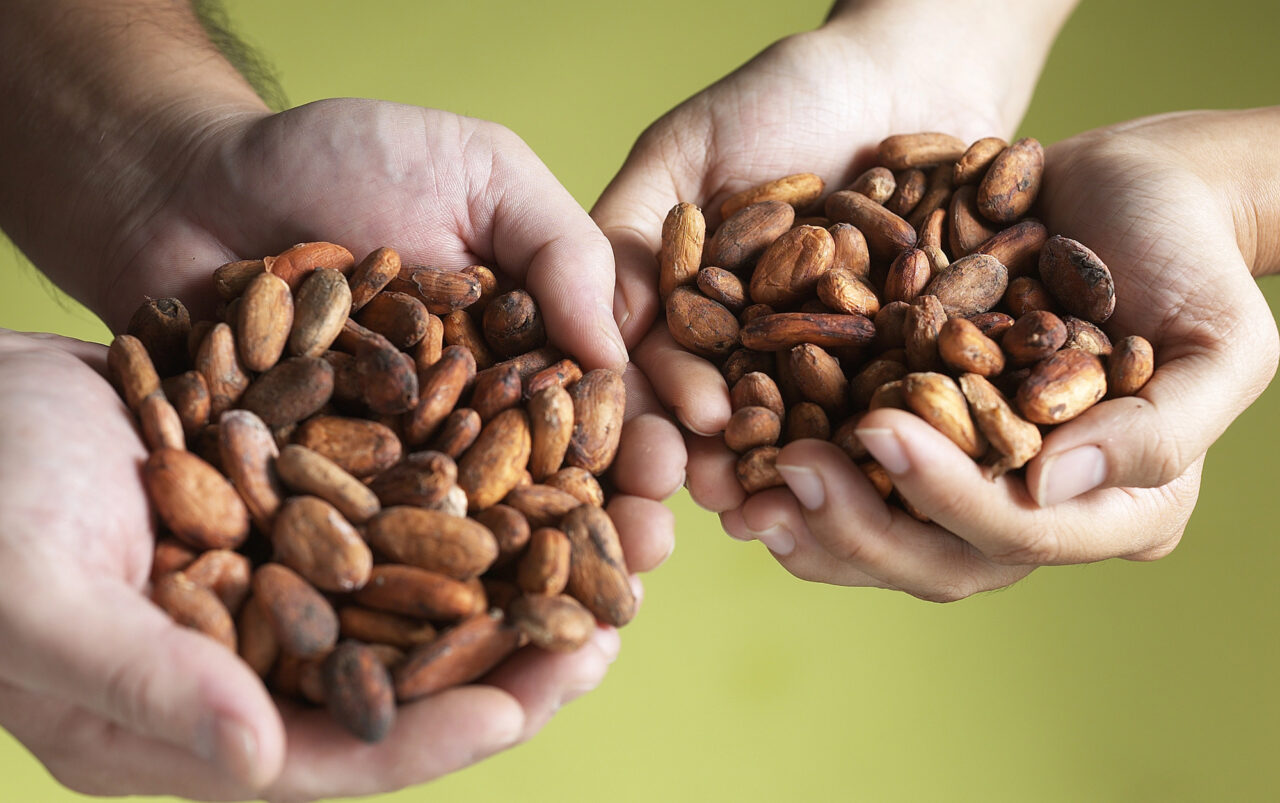
Cacao trees grow in tropical climates close to the equator. Each colorful cacao pod contains 20–50 seeds (or “beans”) surrounded by a sweet, white pulp. Harvesting is done by hand, and it takes significant skill to know when a pod is ripe.
Once harvested, the beans are fermented — a key step that develops chocolate’s complex flavor — then dried in the sun, bagged, and shipped off to chocolate makers around the world.
Roast, Crack, Grind: The Art of Transformation
At chocolate factories and artisan workshops alike, dried cacao beans are roasted to deepen their flavor. The roasted beans are cracked open and the shells removed, leaving behind the edible nibs.
These nibs are ground into a thick paste called chocolate liquor (despite the name, there’s no alcohol involved). This is the base for all chocolate — whether it becomes a smooth dark bar, a creamy milk chocolate treat, or a velvety truffle.
The Chocolate Maker’s Touch
From there, the chocolate is refined, conched (a process that aerates and smooths it), tempered for glossy finish and snap, and finally molded into bars, chips, or whatever decadent shape awaits.
Depending on the process and ingredients, chocolate can take on wildly different personalities — bitter and bold, smooth and sweet, spicy, fruity, or earthy. Each step adds a layer of depth and character.
Ethical Chocolate: A Movement in Motion
As demand for chocolate grows, so does awareness of how it’s sourced. Issues like child labor and unfair trade practices have sparked a movement toward ethically sourced chocolate.
Look for certifications like Fair Trade, Rainforest Alliance, or bean-to-bar makers who highlight transparency in sourcing. Supporting responsible chocolate isn’t just good for your conscience — it often tastes better too.
A Love Story in Every Bite
The journey from cacao pod to chocolate bar is part science, part art, and part centuries-old tradition. It connects farmers, makers, and eaters across continents in one of the most universally loved food experiences.
So the next time you savor a square of chocolate, remember: you’re not just indulging in a sweet treat — you’re tasting history, culture, and craftsmanship in every bite.

Kyle
Kyle is a long-time content writer with experience across a wide breadth of topics—including food and dietary wellness. Gluten- and lactose-sensitive, Kyle brings a unique perspective to writing about fast food, to help others with dietary restrictions better-navigate the menus of major fast food chains. His favorite fast food chain is Chipotle.
