
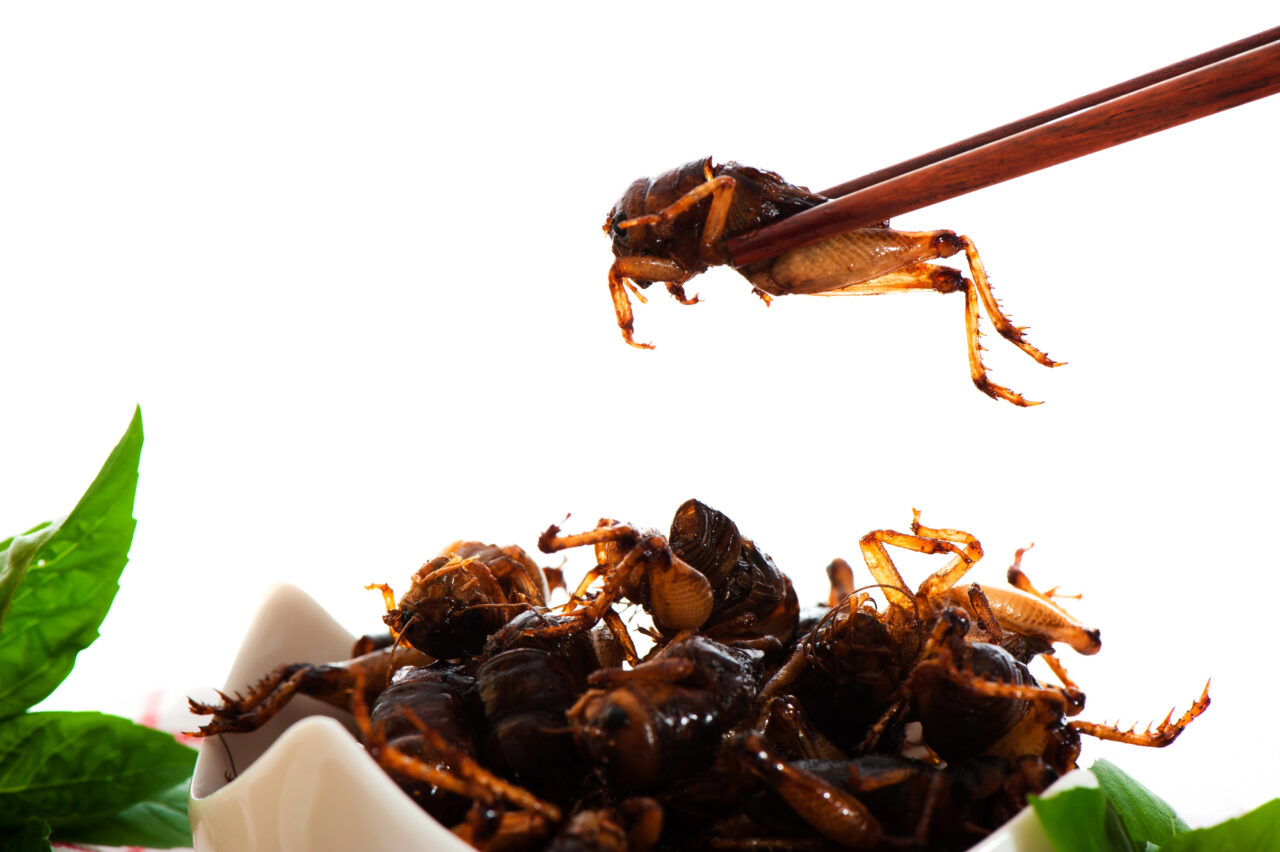
They buzz, they crawl, and for billions of people around the world — they’re dinner. While edible insects might sound like a novelty (or a dare) in some cultures, they’ve long been a reliable, sustainable, and surprisingly tasty source of nutrition.
From crunchy crickets to savory mealworms, insect-based cuisine is gaining ground not just in traditional markets, but also on the plates of eco-conscious foodies and experimental chefs worldwide. Let’s dig in — wings and all.
Why Eat Bugs?
First, let’s address the elephant — or rather, the insect — in the room. Why are people eating bugs?
Sustainability: Insects require far less land, water, and feed than traditional livestock. They also produce significantly fewer greenhouse gases. Raising crickets, for example, takes 12 times less feed than cattle to produce the same amount of protein.
Nutrition: Edible insects are rich in protein, fiber, omega-3s, and essential vitamins and minerals like iron and zinc. They’re nutrient-dense powerhouses — all packed in a tiny, crunchy package.
Tradition: Around 2 billion people globally consume insects as part of their regular diet, especially in parts of Asia, Africa, and Latin America. This isn’t new — it’s just new to certain palates.
Crickets: The Gateway Bug
If you’re curious about bug-based eating, crickets are your safest first bite. Mild, nutty, and often roasted or ground into powder, crickets are popping up in protein bars, chips, baked goods, and even ice cream.
Cricket flour is especially popular with athletes and eco-conscious consumers who want clean, sustainable protein without sacrificing taste or performance.
Mealworms: Mild, Meaty, and Market-Ready
Mealworms — despite the name — are not just for reptiles anymore. With a mild, earthy flavor and a satisfyingly chewy texture when roasted, they’re being turned into everything from meatballs to taco fillings.
High in protein and low in environmental impact, mealworms are now approved for human consumption in several countries, including across the EU.
Ants, Beetles, and Bees (Yes, Really)
Feeling adventurous? There’s a whole insect menu out there. Leafcutter ants are a delicacy in Colombia, with a tangy flavor and satisfying crunch. Giant water bugs in Thailand taste vaguely of shellfish. Even bee larvae, when sautéed, offer a creamy texture and subtle sweetness.
Every insect has its own flavor profile, and much like seafood or mushrooms, it’s all about how they’re prepared.
The Future of Food?
Edible insects are becoming more accessible through innovative brands pushing the boundaries of protein. You’ll now find insect-based snacks in health food stores, upscale restaurants, and even on supermarket shelves.
As the global population grows and resources become more strained, bugs may not just be part of a trend — they could be key to feeding the future.
Bugs, Bites, and the Brave New Menu
The idea of eating insects might seem strange at first, but scratch beneath the surface (gently), and you’ll find a world of possibility: sustainable farming, nutrient-rich meals, and a global tradition that predates forks and knives.
So next time you’re looking for a snack that’s good for you — and the planet — consider going buggy. You might be surprised by what crawls onto your favorite food list.

Kyle
Kyle is a long-time content writer with experience across a wide breadth of topics—including food and dietary wellness. Gluten- and lactose-sensitive, Kyle brings a unique perspective to writing about fast food, to help others with dietary restrictions better-navigate the menus of major fast food chains. His favorite fast food chain is Chipotle.
