
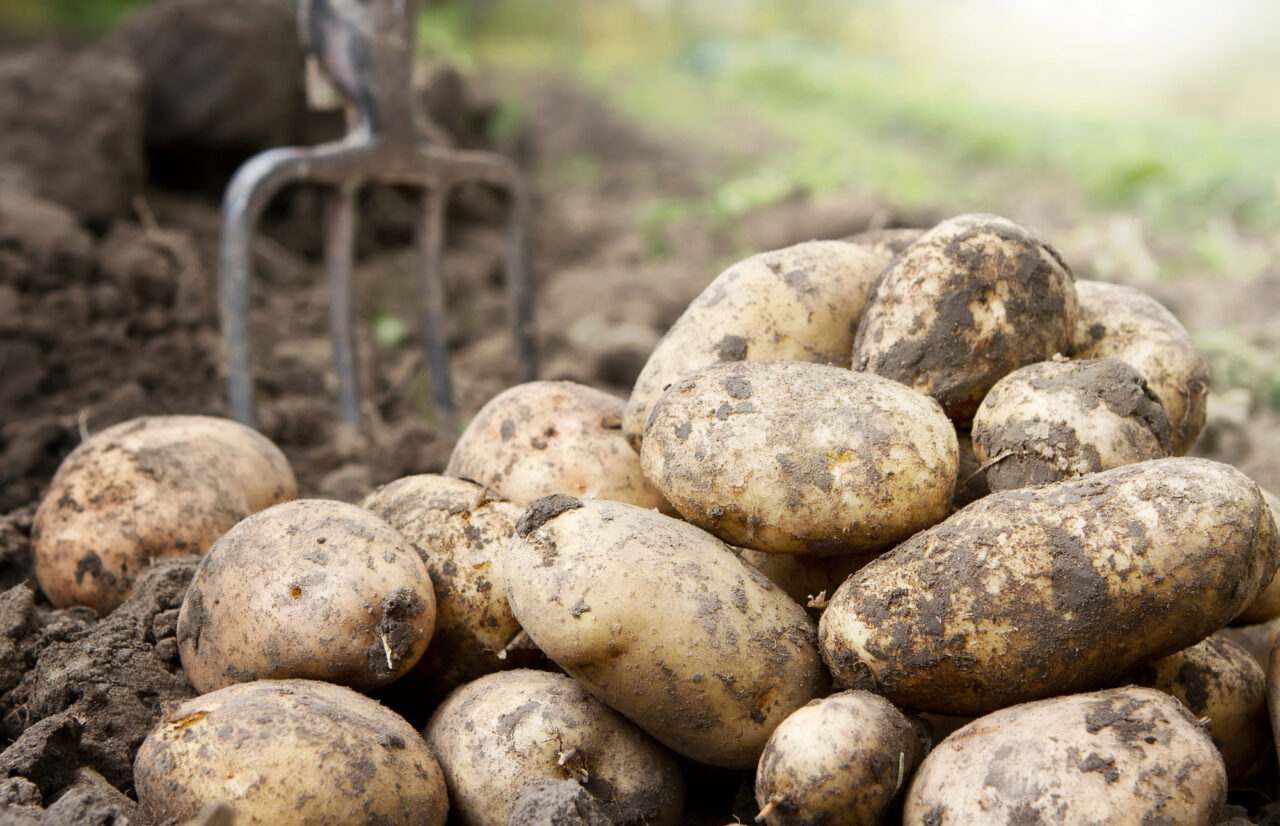
It’s mashed, fried, baked, scalloped, and often served next to just about everything. The potato is so familiar, so ever-present, that it’s easy to forget it had to come from somewhere. But behind this comfort food staple lies a global journey that spans continents, empires, and centuries — with a few surprising twists along the way.
Let’s dig up the history of the humble potato and see how this underground tuber rose to global culinary dominance.
A Root with Ancient Roots
The potato wasn’t born in the American Midwest or on an Irish farm — it originated in the Andes Mountains of South America. Cultivated as early as 8,000 years ago by the Indigenous peoples of modern-day Peru and Bolivia, potatoes were a hardy crop that could survive high altitudes, poor soil, and cold temperatures.
For the Inca civilization, potatoes were more than just food. They were central to their diet and culture, even used in timekeeping and medicine. Freeze-dried potatoes (called chuño) were stockpiled for long-term storage — basically the ancient version of survival rations.
How the Potato Conquered the World
The potato didn’t make its way to Europe until the 16th century, when Spanish explorers brought it back from the New World. At first, Europeans were suspicious. This strange underground vegetable wasn’t trusted — it wasn’t mentioned in the Bible, it didn’t grow on trees, and some people thought it caused leprosy.
But over time, especially during food shortages, the potato proved itself. It was calorie-dense, easy to grow, and able to feed the masses. By the 18th century, it had become a staple crop across Europe — and would later play a major role in both agricultural booms and devastating famines.
The Potato’s PR Makeover
Believe it or not, the potato needed a bit of a rebrand to gain popularity in some regions. In France, Antoine-Augustin Parmentier, a pharmacist and potato superfan, promoted its benefits so passionately that he held extravagant potato-themed banquets and had soldiers guard potato fields — not to protect them, but to make people curious.
It worked. Soon, potatoes were on the plates of nobles and commoners alike.
Global Comfort, Countless Forms
Today, potatoes are one of the most versatile foods on the planet. There are over 4,000 varieties grown around the world, and every culture seems to have their own take — from Indian aloo dishes to Spanish patatas bravas, from Canadian poutine to classic American fries.
It’s a food that can go fancy or fast, rustic or refined. And through every version, the potato remains humble, hearty, and universally loved.
From Dirt to Dynasty
The potato may have started underground, but it didn’t stay there for long. Its journey from the Andes to dinner plates worldwide is one of resilience, adaptability, and surprising influence. So the next time you bite into a fry or spoon into some mashed potatoes, give a nod to this global culinary icon — a true star, rooted in history.

Kyle
Kyle is a long-time content writer with experience across a wide breadth of topics—including food and dietary wellness. Gluten- and lactose-sensitive, Kyle brings a unique perspective to writing about fast food, to help others with dietary restrictions better-navigate the menus of major fast food chains. His favorite fast food chain is Chipotle.
