
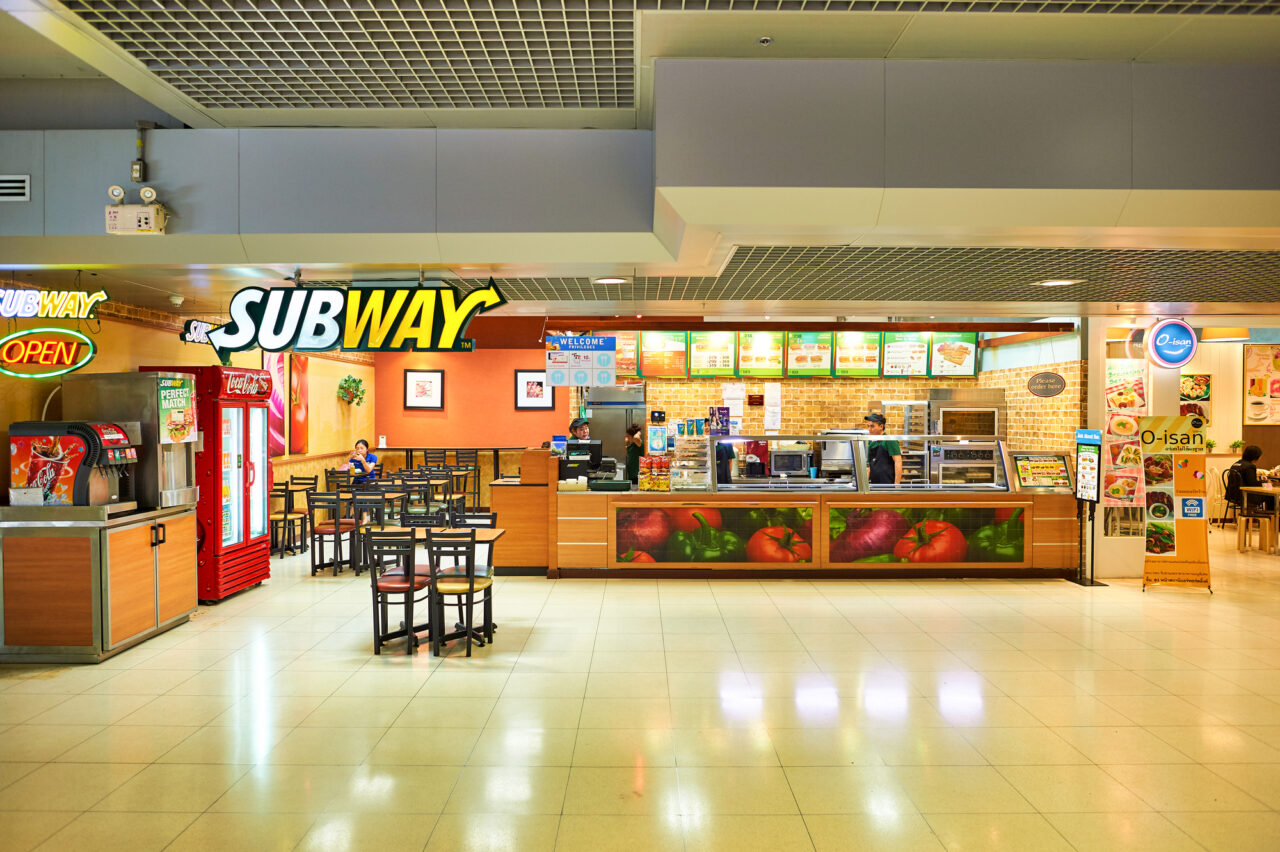
Subway is one of the most recognizable names in fast food — a place where you can build your own sandwich, pile on the pickles, and feel just a little bit healthier while doing it. But behind the sneeze guards and sandwich artists lies a fascinating history full of ambition, science, and some surprising twists.
Here are seven pieces of Subway trivia you might not know about the world’s biggest sandwich chain.
1. It Was Started by a 17-Year-Old — and a Nuclear Physicist
In 1965, Fred DeLuca was just 17 years old when he asked family friend Dr. Peter Buck, a nuclear physicist, for advice on how to pay for college. Buck loaned him $1,000 and suggested he open a sandwich shop. Together, they launched “Pete’s Super Submarines” in Bridgeport, Connecticut.
Spoiler alert: it worked. Subway is now in more than 100 countries worldwide.
2. The Name “Subway” Wasn’t Used Until 1968
The chain didn’t start out as Subway. The original name, Pete’s Super Submarines, was later shortened to “Pete’s Subway,” and finally simplified to “Subway” in 1968. Along with the name change came the signature yellow-and-green branding, and the beginning of a major expansion push.
3. It Became the World’s Largest Fast Food Chain — By Store Count
For years, Subway held the title of the world’s largest fast food chain by number of locations, even beating out McDonald’s. At its peak in the mid-2010s, Subway had over 44,000 locations around the globe.
Although some stores have since closed, Subway still operates tens of thousands of locations — many of them franchised and individually owned.
4. Subway’s “Fresh” Message Was Decades Ahead of Its Time
Long before the current obsession with fresh and fast-casual eating, Subway was promoting customized, made-to-order sandwiches with freshly baked bread and a wide selection of veggies. In the 1980s and ’90s, this made Subway a popular choice for more health-conscious customers.
The “Eat Fresh” slogan became one of the most recognized taglines in fast food — even though it later faced scrutiny over its bread ingredients and health claims.
5. It Was an Early Adopter of the $5 Deal
In 2008, during the Great Recession, Subway launched the “$5 Footlong” — a catchy promotion with an even catchier jingle. It quickly became one of the most successful value campaigns in fast food history, bringing in millions of customers and inspiring endless variations.
Though inflation has since pushed prices upward, the original ad lives rent-free in everyone’s head.
6. The First Franchised Location Almost Failed
The third Subway store, located in a shopping center, was the first franchised location — and it nearly flopped. But instead of giving up, the founders doubled down on franchising as a model for growth. It turned out to be the right call: franchising helped Subway scale faster than almost any competitor.
7. Subway Has Some International Surprises
Subway adapts its menu around the world to cater to local tastes. In India, you’ll find paneer tikka subs. In Japan, there’s shrimp and avocado. And in some countries, Subway offers toasted flatbread pizzas and corn and egg salad sandwiches — proving that the sandwich format is endlessly flexible.
Not Just a Sub Shop
Subway’s rise wasn’t built on flashy menus or deep-fried gimmicks — it was powered by a nuclear physicist, a determined teenager, and the power of customizable simplicity. From science to sandwiches, the chain’s history is as layered as its footlongs — and still evolving.

Kyle
Kyle is a long-time content writer with experience across a wide breadth of topics—including food and dietary wellness. Gluten- and lactose-sensitive, Kyle brings a unique perspective to writing about fast food, to help others with dietary restrictions better-navigate the menus of major fast food chains. His favorite fast food chain is Chipotle.
