
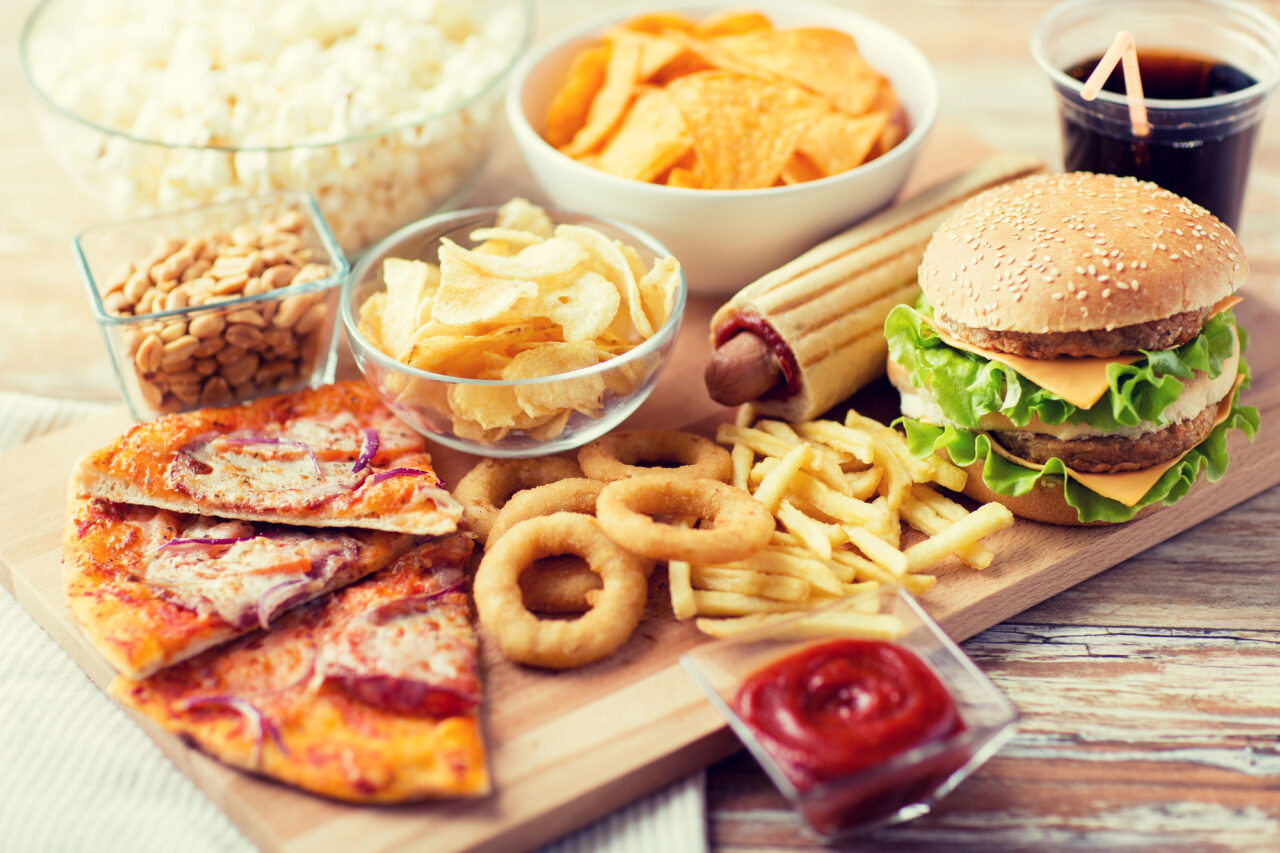
Fast food isn’t just about convenience — it’s about access, comfort, and, for many people, community. But for those living with food allergies, fast food can also feel like a gamble. Still, that doesn’t mean it’s off-limits. In fact, fast food plays a surprisingly important role in the lives of many allergy-conscious individuals, offering moments of normalcy, inclusion, and yes — enjoyment.
Here’s a closer look at how fast food fits into life with food allergies, and why it matters more than you might think.
A Link to Everyday Life
Food allergies often require a constant state of alertness. Every snack, meal, and social gathering comes with risk management. Fast food, when done safely, offers something powerful: a chance to participate in everyday moments — grabbing lunch with friends, eating on a road trip, or treating yourself after a long day.
Being able to join in without packing a meal from home every time creates a sense of belonging and spontaneity — things that people without allergies often take for granted.
A Training Ground for Self-Advocacy
For kids, teens, and young adults with food allergies, ordering at a fast food restaurant can be a valuable exercise in confidence and communication. Learning to ask questions, request ingredient lists, and advocate for safe prep practices teaches lifelong skills.
Fast food environments offer a relatively low-pressure place to build that independence — especially when paired with supportive staff and clear allergen policies.
A Resource for Families on the Go
Families managing food allergies often have to cook most meals at home. But life doesn’t always stick to a schedule. Whether it’s between soccer practice and homework or during a long road trip, fast food can be a lifeline — as long as safe options are available.
Knowing which chains are allergy-aware can make spontaneous meals easier and reduce the stress of always planning ahead.
A Test of Trust (and a Reminder of Limitations)
Fast food also serves as a reality check. While some chains are improving their allergy accommodations, others still lack transparency or training. For people with severe allergies, eating fast food isn’t always possible — and that can be isolating.
It also underscores the importance of clear labeling, dedicated prep areas, and staff education. Every improvement a restaurant makes has a real impact on whether someone feels safe enough to place an order.
An Opportunity for Brands to Step Up
The role of fast food in allergy life isn’t just about convenience — it’s about inclusion. By making spaces safer and more accommodating, brands can show allergy-conscious diners that they’re seen, heard, and valued.
The more fast food restaurants invest in allergen-safe practices, the more they open their doors to a growing segment of customers who want to participate — and would love to give their loyalty in return.
More Than a Meal
For people with food allergies, fast food can be more than just food — it can represent freedom, social connection, and a small but meaningful piece of normal life. The risks are real, but so are the rewards when safety and care are prioritized. And when a meal out feels both easy and safe, that’s something worth celebrating.

Kyle
Kyle is a long-time content writer with experience across a wide breadth of topics—including food and dietary wellness. Gluten- and lactose-sensitive, Kyle brings a unique perspective to writing about fast food, to help others with dietary restrictions better-navigate the menus of major fast food chains. His favorite fast food chain is Chipotle.
